Telephone 0161 445 9607
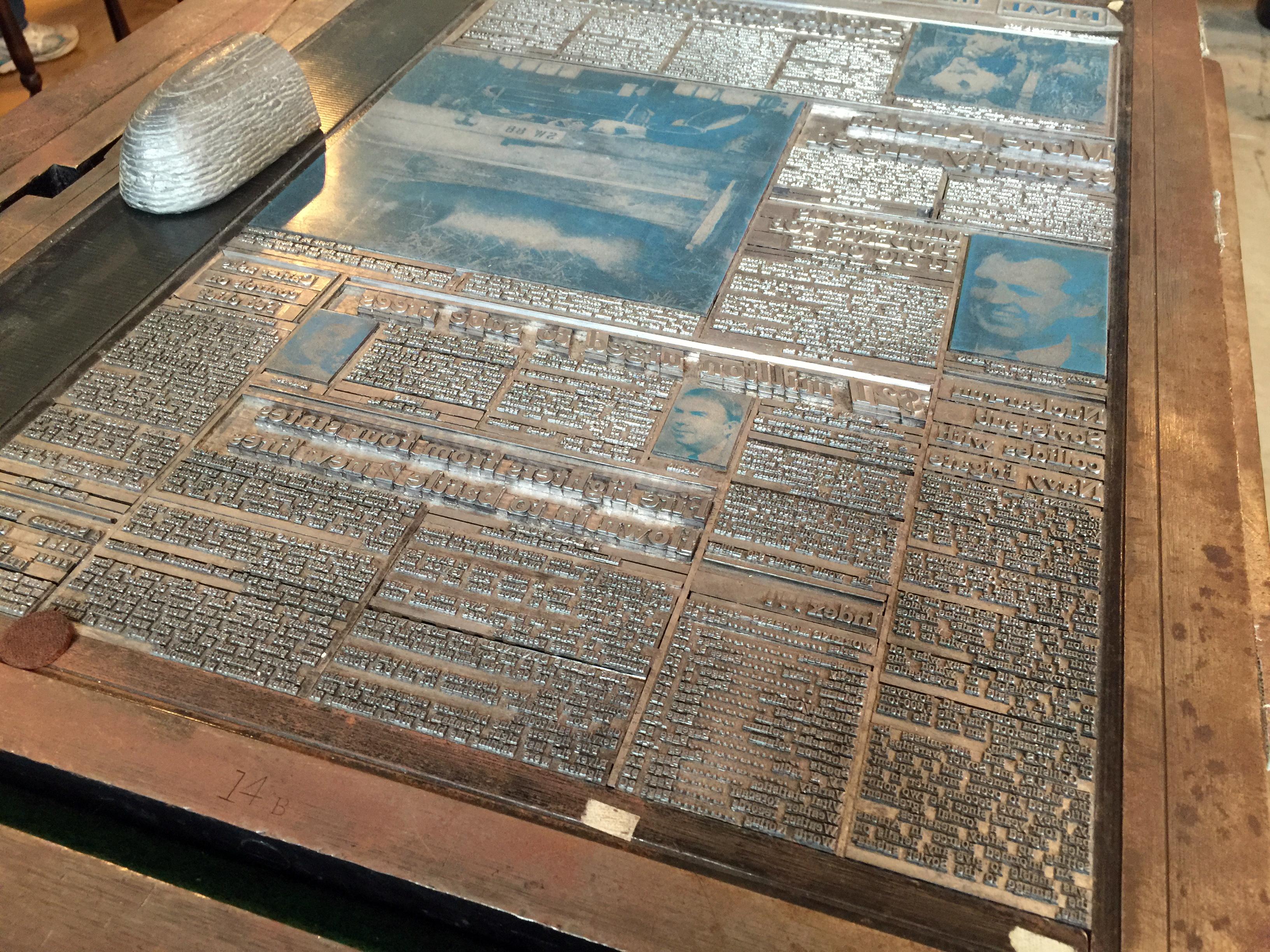
Lithographic printing, or ‘litho printing’ for short, prints documents using an embossed printing plate which is coated with ink and then pressed on to the page.
It’s also known as ‘offset printing’ because the ink is applied to the plate, and then the plate is pressed on the paper, rather than applying the ink directly as with digital printing.
The results of litho printing can be very accurate and very aesthetically pleasing, but it’s a true art form, and not all print shops have the equipment or the expertise to offer it.
While digital printing is sometimes an easy option, litho printing has plenty of benefits of its own:
At Peter C Woolley Printers we have generations of experience in litho printing and can offer the expertise many other print shops cannot, to give you the highest standard of finished product on every print run.
Both litho printing and digital printing have their place. Digital printing is fast for fewer copies, easy to change for customised items or minor corrections, and generally offers a good quality finished product.
Litho printing has more of the history and heritage of the printing industry behind it and is still by far the first choice for most large-volume print runs, especially when every copy is identical, such as brochures and books.
For a modern finishing touch, ask about spot UV printing – this is where one part of the cover is laminated with gloss while the rest is in a matt finish, for example to highlight the author name or title of a book, and can give a striking and contemporary look to a traditionally printed and bound publication.
Peter Woolley Printers
31 Barlow Moor Road
Didsbury
Manchester
M20 6TW
Tel: 0161 445 9607
Email: matt@didsburyprinters.co.uk
Opening Hours
Mon-Fri: 9am - 5pm*
Sat/Sun: Closed
(*Subject to change. Please call ahead to check.)


Tweet to @PCWPrinters_M20
© Peter Woolley Printers